Most of the time I don’t think of myself as much of a storyteller. But when I look back, I realize life has handed me chapters that became stories whether I meant them to or not. And if someone else were telling me these same experiences, I’d probably find them interesting. So here’s the part of the journey I haven’t shared yet — the stretch between recording and releasing my first album.
More than ten years ago, my husband and I tried to make an album together. We recorded a few demos and worked on arrangements, but we never gained traction. Within a year or two, he wasn’t able to do much in the studio anymore. He could still play songs he knew, but the recording software — which is complicated even on a good day — was no longer something he could manage. That season closed quietly, and the dream went dormant.
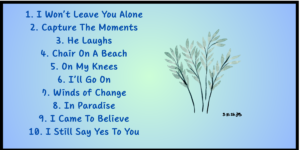
At the end of July 2025, I finally picked up the phone and called Peter Young, the drummer who played on nearly every demo we ever recorded. I sent him a list of fifteen songs. We pared it down to ten, and somewhere in that process the theme and title Capture The Moments emerged. Listen to the album and more at Capture The Moments Album Page.
I chose songs that needed fuller production and others that fit the emotional thread running through the album. The recording sessions included drums, bass, keyboards, synth, rhythm guitar, and lead or arpeggio guitar — every track had layers. And even though I kept saying, “Let’s not overproduce this,” I also kept asking, “But how will I play these live?” That tension never really goes away. You want the song to live its fullest life without losing its roots.
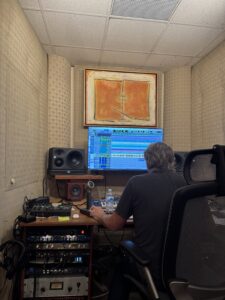
When Pete sent the first takes — all the instruments, all at once — I was disappointed. Some of it felt like a cacophony. But as he walked me through each stage, I began to understand how the mixes would be shaped, carved, and engineered into something intentional. Jacob Rudd sat with me in person for almost every listening session and joined me on the calls with Pete, helping me give feedback and hear things I would have missed.
Back when we recorded demos in Nashville, we mixed everything in the studio on vocal day. We’d spend about an hour per song and walk out with finished demos. Producing a full album is a different world. There are more stages, more back‑and‑forth, more decisions. Pete also tuned the vocals — a painstaking process. He says he can spend a full day on one song, and I believe him. I sing on pitch, but I slide into notes a lot, scooping up from the bottom. Live, that adds character and emotion. On a recording, those slides stand out, and cleaning them up helps the vocal sit with the instruments.
Then come the effects and EQ. We’re so used to hearing delay and reverb that when they’re missing, something feels wrong. They “fatten” a voice in ways we don’t consciously notice.
I asked Janet Green to listen to the song we co‑wrote, I Still Say Yes To You, to make sure the mix honored her vision too. Watch the lyric video here. We didn’t see each other much during those months — everything happened through web meetings and phone calls. With Pete, it was a lot of phone calls. Jacob was part of most of them.
Eventually we had the final mixes, and then the album went to mastering. A few tweaks came back — turn this vocal up, turn that one down, adjust an instrument, shape an intro so each track stands on its own.
And then suddenly I had the files. And I thought, Now what?
I had to dig in and educate myself. I couldn’t find anyone who wanted to help an unknown artist navigate the release process, so I did what I always do: research, trial‑and‑error, and a lot of Copilot conversations. The options were overwhelming. The complexity was confusing. I had to figure out artwork, digital distribution, physical CDs, metadata, accounts, uploads, registrations — I now have about forty online accounts to manage. Before this, all I had were Copyright and ASCAP. Mind‑boggling.
* * *
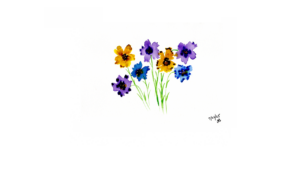
Then there was the artwork! Designing the tiny print liner notes was a fun challenge. Friends encouraged me to use some of my watercolor paintings in the design.
* * *
I’m still learning the best order, the best way to track everything, the best way to archive. The strategy keeps evolving. I wasn’t sure who would want physical CDs, so I decided to release the digital version first, even though the CDs are ready. Some companies were more responsive than others. I chose to do most of it myself, which made it more complicated — but also more personal.
The world is changing. I’m a bit of a mushroom on Facebook, but it turns out that’s where I reach the most people who care about the album and the journey behind it. Other platforms have been quieter. My goal is simple: reach the people who need the message, especially caregivers who need the reminder to Always Find the Hope.
If you’d like to leave feedback or share your thoughts, you can do that here: Contact Me